How to Build an Email List Without Ads: The 2026 Playbook for Real Subscribers
Most advice on growing an email list assumes you'll spend your way there. Facebook ads. Google ads. Sponsored newsletters. The numbers look fine on paper — until you actually run them and discover your cost per subscriber is climbing while your engagement falls.
## Key Takeaways
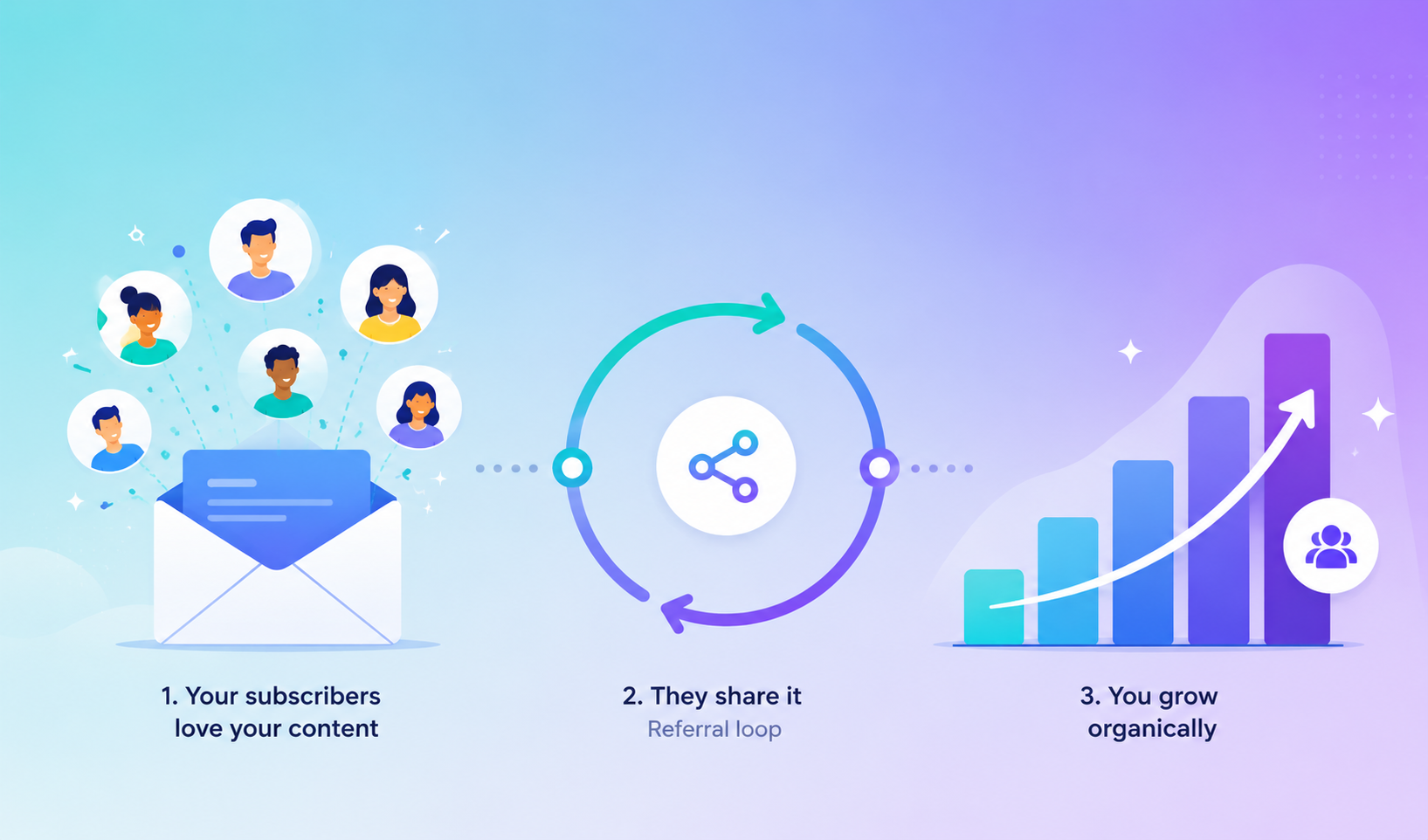
- The fastest way to build an email list without ads is a **referral loop** — every
new subscriber becomes a recruiter for the next two.
- **One specific lead magnet** beats five generic ones. Solve one problem in under
15 minutes of reading.
- **Newsletter swaps** with non-competing partners produce the highest-quality
organic subscribers — better than any single content tactic.
- **Avoid purchased lists** — they're illegal under GDPR in the UK, EU, and Ireland,
and destroy sender reputation everywhere else.
- A working organic list-building system can deliver 100–500 subscribers in 30 days
with consistent effort on one channel.
------------------------------------------------------------------
You don't need an ad budget to build an email list.
You need a system.
Most advice on growing an email list assumes you'll spend your way there. Facebook ads. Google ads. Sponsored newsletters. The numbers look fine on paper — until you actually run them and discover your cost per subscriber is climbing while your engagement falls.
There's a better way. And it's the way the fastest-growing newsletters in the world actually grow.
This is the full playbook for building an email list without ads in 2026 — the same playbook our customers use to launch lists from zero, and the same one that powers viral newsletters like Morning Brew, The Hustle, and James Clear's 3-2-1 Thursday.
It works for one reason: people trust people more than they trust ads.
What you'll learn in this guide
- Why "without ads" is actually a faster path in 2026
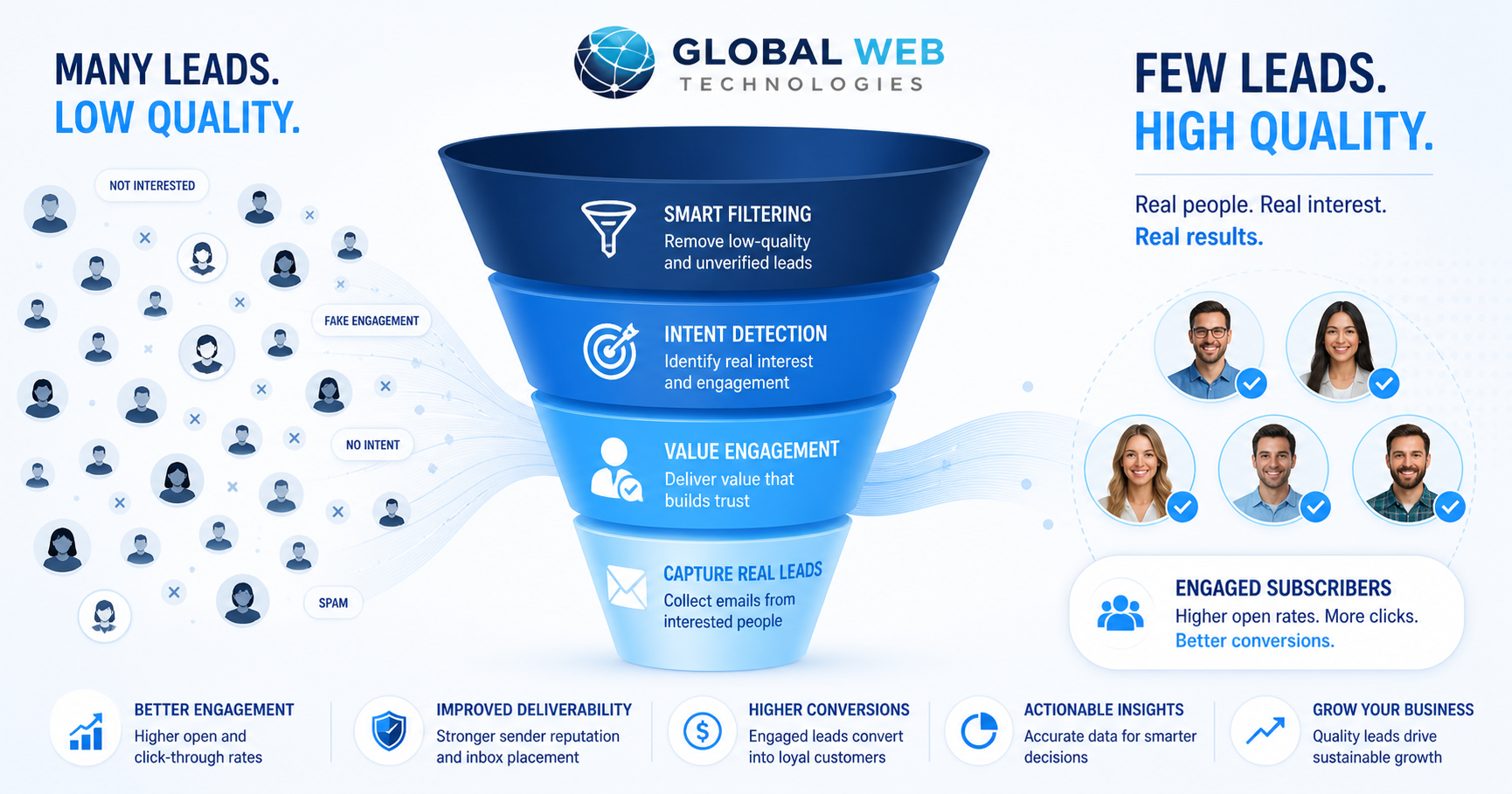
- The five organic channels that produce real subscribers
- How to design a lead magnet people actually want
- The referral loop that turns one subscriber into ten
- A 30-day starter plan you can implement this week
Let's get into it.
Why Building an Email List Without Ads Works Better in 2026
Three things have changed since the last time you read a guide on email list building.
1. Ad costs have outpaced what most lists can earn back
Cost per email subscriber via Meta and Google has roughly doubled in three years. The average newsletter now pays £3–£8 per signup before it has earned a penny back. For most small businesses, that math no longer works.
2. Buyers can tell the difference between an ad-built list and a real one
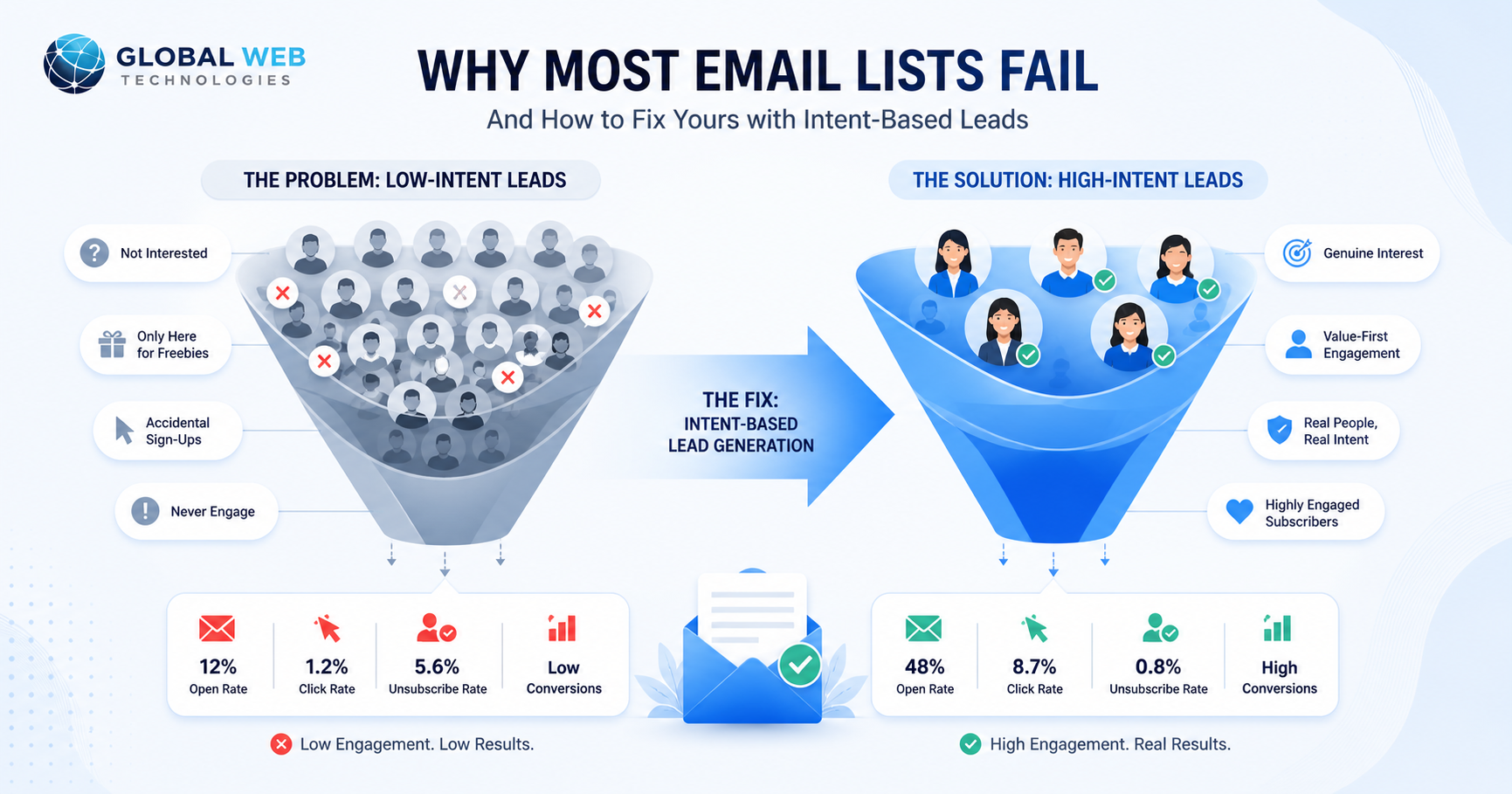
Inboxes are crowded. Open rates on ad-acquired lists run far below organically built ones — often half the rate. Why? Because someone who clicked an ad to grab a freebie isn't the same as someone who heard about you from a friend.
3. Referral loops compound. Ads don't.
Spend £1,000 on ads, get 200 subscribers. Spend £0 on a working referral loop, get 200 subscribers — and each of those subscribers then brings in friends, who bring in friends.
The first stops the day you stop spending. The second keeps running.
The Five Organic Channels That Actually Bring Subscribers
You don't need to be on every platform. You need one or two channels working hard.
These are the five that consistently produce real subscribers without paid promotion.
1. Content that ranks on Google
Long-form articles answering specific questions in your niche pull subscribers for years after you publish them.
The key word is specific.
"How to start a podcast" is too broad. You'll never rank.
"How to start a podcast as a therapist without breaking patient confidentiality" — that's specific. That ranks. And the person searching it is exactly your kind of subscriber.
Pick three to five questions your ideal subscriber types into Google before they ever hear of you. Answer them better than anyone else on page one. Add a sign-up offer at the end of each article.
That's it. That's the strategy.
2. Your own social profiles — but with a real CTA
Most people post on LinkedIn or X and forget to ask for the email.
Don't.
Every social bio should point to a single page. Every other post should mention what people get if they join your list. Not aggressively. Just consistently.
If you don't have an audience yet, comment on the posts of people who do. Genuinely. Repeatedly. Your name starts to appear in their notifications, then their replies, then their recommendations.
That's organic reach. It's free. It works.
3. Communities your buyers actually hang out in
Find three places — Reddit, Slack groups, Indie Hackers, niche forums, Substack Notes — where your ideal customer already spends time.
Don't drop links. Help people. Answer questions. Become known.
A single thoughtful comment that genuinely solves a stranger's problem will outperform a hundred promotional posts. People will click through to your profile. Your profile points to your list. Subscribers follow.
4. Partnerships and newsletter swaps
Find someone whose audience overlaps yours but who isn't a direct competitor.
A productivity coach and a yoga teacher.
A photography newsletter and a travel newsletter.
A bookkeeping service and a small-business legal practice.
Send them an email. Offer to recommend their list to yours if they do the same. This is the highest-quality subscriber acquisition in existence — both lists trust each other, so both audiences trust the recommendation.
Aim for partners with similar list size to yours. The match rate matters more than the absolute number.
5. A referral loop built into your list itself
This is the channel most people miss — and it's the most powerful of all.
When someone joins your list, they should immediately get a personal share link. When they share that link and friends sign up, they unlock something they actually want — exclusive content, early access, a bonus resource, a private community.
This is how Morning Brew grew to four million subscribers without an ad budget. Every email had a referral block. Every subscriber became a recruiter.
We'll cover exactly how to set one of these up below.
How to Design a Lead Magnet People Actually Want
Most lead magnets fail because they're forgettable.
"Sign up for our newsletter."
Why? What do I get? Why now?
A working lead magnet answers three questions in the first sentence the visitor reads:
- What is it? A guide, a template, a course, a tool.
- What problem does it solve? Be specific. "Get your first 1,000 subscribers" beats "grow your email list."
- How long will it take me to use it? "An 8-minute playbook" beats "a comprehensive resource."
The best lead magnets share four traits.
They solve one specific problem
Not a general one. A specific one.
"How to write better emails" — vague.
"7 subject lines that doubled my open rate (with the data)" — specific.
They deliver value in under 15 minutes
People hate downloading a 60-page PDF they'll never read. They love a checklist they can use this afternoon.
Short, useful, finished. That's the formula.
They preview what's coming
Your lead magnet is the first impression. If it's brilliant, your emails will be opened. If it's lazy, they won't.
Treat the freebie like a paid product. That mindset alone puts you ahead of 90% of the market.
They make the next step obvious
The last page of your lead magnet should answer the question: what should I do now?
Usually: read the welcome email, take one small action, expect the next email tomorrow.
The Referral Loop That Turns One Subscriber Into Ten
Here's where things compound.
A referral loop is the single most under-used growth mechanism in email marketing. Once it's set up, it runs without you.
How it works
- Someone signs up to your list.
- The welcome email gives them a personal share link.
- They share that link with friends.
- When friends sign up using the link, the original subscriber unlocks a reward.
- Friends now have their own share link. The cycle continues.
Each new subscriber becomes a potential acquirer of the next two.
What to offer as a reward
The best rewards have high perceived value to your subscribers but low marginal cost to you.
- Tier 1 (1–3 referrals): Exclusive content. A bonus guide. A private resource.
- Tier 2 (5–10 referrals): Access to a community. A short consult. A premium template pack.
- Tier 3 (25+ referrals): Something physical or genuinely scarce — a 1:1 call, a piece of merchandise, paid access to a tool.
Don't offer discounts on your own product as a reward. It cheapens what you sell. Offer something you'd only give to your best supporters.
Where it lives
The referral block should appear:
- In the welcome email
- At the bottom of every regular email you send
- On the thank-you page right after sign-up
That's three touchpoints. Three reminders. Three chances for someone to share.
Setting this up used to require custom development. Now there are platforms that handle the entire loop in a few minutes — including ours. The point is: this is no longer a technical barrier. It's just a decision.
What to Avoid When Building an Email List Without Ads
Three mistakes will kill your list faster than any algorithm change.
Don't buy a list. Ever.
It's tempting. It's also illegal in the UK, EU, Ireland, and most of Canada under GDPR and similar laws. Even in the US, purchased lists destroy your sender reputation, ruin your deliverability for years, and produce conversion rates near zero.
If you're tempted to buy a list, the problem isn't list size. The problem is the offer. Fix the offer.
Don't scrape emails
Same problem, different method. Scraped emails belong to people who didn't ask to hear from you. Your open rates will be terrible, your spam complaints will be high, and you'll end up on blocklists.
Don't optimise for vanity metrics
Total subscriber count is the worst metric in email marketing.
A list of 10,000 disengaged people is worth less than a list of 500 who reply to your emails.
Optimise for: open rate, reply rate, click rate, revenue per subscriber. Total list size comes last.
A 30-Day Starter Plan You Can Use This Week
Here's exactly what to do in your first 30 days.
Days 1–3: Foundations
- Pick your one channel (start with one, not five)
- Write a one-sentence promise: who your list helps and what they get
- Design a lead magnet that delivers value in under 15 minutes
Days 4–7: Build the capture page
- Create a single landing page with the lead magnet
- Add the sign-up form
- Write a three-email welcome sequence
- Set up a referral link for every new subscriber
Days 8–14: Launch
- Tell your existing network first — email contacts, LinkedIn connections, anyone who already knows you
- Post about it once a day on your chosen channel
- Aim for your first 50 subscribers
Days 15–21: First content piece
- Write one in-depth article answering a specific question your audience has
- Include three sign-up CTAs in it
- Share it everywhere you have presence
Days 22–30: First partnership
- Identify three potential newsletter swap partners
- Email them a short, specific proposal
- Run your first swap and measure the result
By day 30, you should have a working list of 100–500 subscribers, a referral loop quietly compounding in the background, and a clear sense of which channel is producing the best people.
That's a foundation. From there, you scale what works.
Final Thoughts
Building an email list without ads isn't slower than building one with ads.
It's just different.
Ads buy you immediate volume, but cap out the moment you stop paying. Organic growth, referrals, and partnerships build slower at first — then compound for years.
The numbers tell the story. The average referral-acquired subscriber stays on a list 3x longer than an ad-acquired one. Their open rates are higher. Their conversion rates are higher. Their lifetime value is higher.
You're not choosing between two equal options where one happens to cost money.
You're choosing between a leaky bucket and an asset that grows on its own.
Pick the asset.
Want a step-by-step playbook for getting your first 1,000 subscribers using referrals — not ads?
Built in 8 minutes. No ad budget required.
Tags: email list building, referral marketing, lead generation, organic growth, email marketing, no ads